Making Life Easier


 Ampicillin Resistance Rising Why It Matters
Alarming Decline in Effectiveness of Standard Antibiotics
Clinicians once relied on familiar prescriptions as predictable tools; now those tools fail more often, and patients pay the price. Families notice recurring illnesses.
Labs report shrinking response rates against common infections, turning straightforward cases into prolonged battles and prompting broader use of aggressive therapies with worse side effects. Public health systems strain under rising caseloads.
This erosion of reliability undermines clinical guidelines, forces longer hospital stays, and increases costs while giving resistant strains more opportunities to spread. Mortality can rise.
Recognizing the trend early is vital: tracking resistance, preserving effective drugs, and investing in alternatives are urgent steps to prevent a return to an era where simple infections become deadly. Coordinated action saves lives.
| Metric | Trend |
|---|---|
| Effectiveness | Decreasing |
How Treatment Failures Threaten Patients and Public Health

A patient’s fever climbs as prescribed ampicillin fails; doctors scramble for alternatives. Treatment failures turn routine infections into prolonged battles, increasing complications and hospital stays.
Communities feel the ripple: resistant infections spread in clinics and long-term care, overwhelming resources and driving up costs. Vulnerable groups—newborns, elderly, immunocompromised—face higher morbidity and mortality.
Public health surveillance lags behind evolving resistance, delaying targeted responses and stewardship efforts. Frontline clinicians face dwindling options, increasing reliance on expensive last-resort drugs worldwide. Urgent investment in diagnostics, reporting and new therapies can reverse trends and protect lives.
Molecular Tricks Bacteria Use to Evade Drugs
A small colony becomes a cunning foe: mutations alter targets, reducing drug binding, while pumps rapidly expel antibiotics before they can act.
Enzymes like beta-lactamases chemically destroy ampicillin and drugs, turning a last-resort treatment into an ineffective molecule within bacterial communities via plasmid exchange.
Biofilms shield cells, limiting antibiotic penetration and fostering slow-growing persisters that survive pulses of therapy, then reignite infection after treatment stops in clinics.
Horizontal gene transfer spreads resistance rapidly; surveillance, stewardship, and new inhibitors are crucial to preserve ampicillin effectiveness and protect vulnerable patients worldwide urgently.
Impact on Hospitals, Newborns, Elderly, and Communities
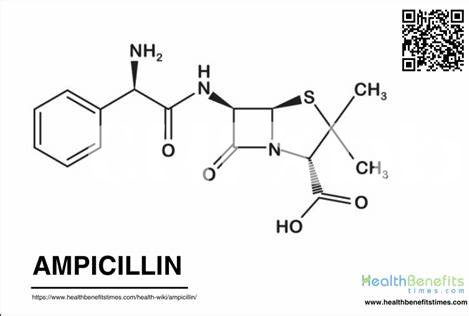
In hospitals, once-routine infections now linger, triggering ward closures and longer ICU stays; clinicians find fewer effective options as common drugs like ampicillin lose potency against familiar pathogens across units.
Newborns face higher sepsis risk when first-line therapies fail; fragile immune systems and scarce neonatal formulations force clinicians into riskier choices, raising morbidity and long-term developmental concerns in infants worldwide.
Elderly residents in care homes experience recurrent outbreaks that strain staffing and budgets; community caregivers face higher hospitalization rates, while unchecked resistance undermines public health efforts and raises economic costs.
Diagnostic Gaps Slow Response and Worsen Outcomes
Clinicians often race against time when infections worsen unexpectedly. Delays in identifying resistant strains mean empirical choices can miss the mark, leaving ampicillin ineffective and patients exposed to avoidable complications and longer hospital stays.
Laboratory bottlenecks, limited access to rapid molecular assays, and inconsistent susceptibility panels slow correct diagnosis. Excessive turnaround times force broader-spectrum therapies, fueling resistance and obscuring true community prevalence while clinicians wait for guidance now.
Missing rapid susceptibility data also hampers infection control: undetected clusters can seed wards and families. Neonates and elders suffer most when targeted therapy is delayed, increasing morbidity and mortality risks and prolonging recovery times.
Fixing this requires investments in point-of-care tests, streamlined lab networks, and clinician training so results guide therapy swiftly. Better diagnostics preserve options like ampicillin, reduce costs, and save lives across hospitals and communities promptly.
| Turnaround over 48 hours |
Strategies to Curb Spread and Restore Treatments
Hospitals can lead by example: tighter infection control, mandatory hand hygiene, isolation of resistant cases, and antibiotic stewardship programs that restrict unnecessary prescriptions. Staff training and audit close practice gaps.
Community measures matter too — vaccination, improved sanitation, and education campaigns help reduce infections that often trigger antibiotic use, lowering selection pressure for resistance. Local leaders must ensure clean water access.
Rapid diagnostic tests and robust surveillance detect outbreaks early and guide targeted therapy, preventing blanket broad-spectrum treatments that fuel resistance. Clinicians should combine diagnostics with stewardship-driven prescribing.
Investment in new antibiotics, incentives for developers, and global data-sharing can revive treatment options; public-private collaboration and smart prescribing policies are essential to protect vulnerable newborns and elderly.
