Making Life Easier


 Topical Vs Oral Diclofenac — Which Suits Your Pain?
How Diclofenac Works: Topical Versus Oral Paths
Imagine a small battlefield under the skin where inflammation drives pain; topical diclofenac sneaks through the skin to calm that localized fight, concentrating where you need it with lower bloodstream exposure. Oral diclofenac, by contrast, travels a systemic route: absorbed in the gut, carried in circulation, and dampens inflammation bodywide but exposes organs to higher drug levels.
This difference shapes choices: topical is ideal for joint or muscle pain near the surface and reduces systemic side effects, while oral dosing suits widespread or deep inflammatory conditions but requires monitoring for gastrointestinal, renal, or cardiovascular risks. Discussing goals, severity, and medical history with a clinician helps match the pathway to your needs and lifestyle factors too.
| Route | Primary Action |
|---|---|
| Topical | Local anti-inflammatory with lower systemic exposure |
| Oral | Systemic anti-inflammatory, broader distribution, higher systemic levels |
Speed of Relief: Fast-acting Topical or Oral

A personal sprain showed me how relief arrives differently: a topical gel penetrates the skin to act locally, whereas an oral pill travels through digestion and bloodstream before reaching pain sites.
Topical diclofenac often begins reducing discomfort within hours, especially for superficial joint or muscle pain, because it concentrates at the injury rather than dispersing systemically.
Oral formulations can be faster for widespread or deep-seated inflammation since blood distribution reaches internal tissues more uniformly, but onset varies with formulation, stomach contents, and individual metabolism.
Choosing between routes balances speed versus scope: topical limits systemic exposure and suits localized ache, whereas oral diclofenac may deliver broader, sometimes quicker relief for multi-site or severe pain—consult your clinician.
Effectiveness for Different Pains and Conditions
A runner limped into clinic, wondering if gel or pill would stop the ache. Topical diclofenac targets local tissues, often with fewer systemic effects.
Oral diclofenac circulates, suppressing systemic inflammation and helping widespread arthritis or severe flares where topical absorption is insufficient across deeper joint structures.
For superficial strains, bursitis, and focal osteoarthritis, topical treatment often equals oral relief while minimizing whole-body exposure and reducing gastrointestinal risk long-term.
Choosing depends on pain depth, extent, comorbidities, and patient preference. Discuss safety, interactions, and monitoring before starting oral diclofenac or topical option.
Side Effects and Safety: Systemic Versus Local
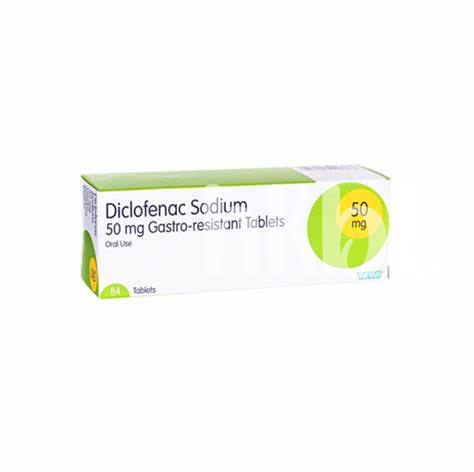
A neighbor once swapped oral pills for a gel and noticed pain ease where it hurt most.
Topical formulations limit systemic exposure; blood levels are lower than with oral diclofenac, reducing risks to the stomach and heart.
However, creams can irritate skin, cause rash, or be less effective for deep joint pain; oral therapy reaches deeper tissues but carries systemic side effects.
Discuss history, risks, and preferences with a clinician; tailor choice to condition severity and comorbidities for safer, more satisfying pain control and long-term outcomes for each individual patient.
Practical Use: Dosage, Frequency, and Application Tips
Begin with clean skin; thin layers of gel or cream allow steady diclofenac absorption and reduce irritation.
Apply twice daily unless a doctor advises otherwise; rubbing too hard won’t improve results but massage can help reach deeper tissues.
Oral dosing follows prescription specifics; take with food to lower stomach upset and report persistent pain or side effects.
Store products away from heat, avoid covering treated skin tightly, and consult if pregnant, breastfeeding, or on blood thinners.
| Form | Dose |
|---|---|
| Topical | Apply twice daily |
| Oral | As prescribed |
| Note | Use minimal effective dose |
Choosing Wisely: Patient Factors Guiding Treatment Choice
Imagine choosing between a gel and a pill: pain location, intensity, and urgency usually steer the decision, while patient lifestyle and tolerance shape final choice and comorbidities matter too.
Older adults or those with gastrointestinal sensitivity often favor topical use to minimize systemic exposure; conversely, younger patients without risks may tolerate oral forms for broader pain control effectively.
For acute, localized strains topical diclofenac delivers targeted relief with fewer systemic effects, while widespread or severe inflammatory pain may require oral dosing for consistent anti-inflammatory levels and monitoring.
Discuss allergies, medications, pregnancy plans, and cost with your clinician; shared decision-making balances effectiveness, safety, convenience, and personal preference for optimal outcomes and schedule follow-up checks regularly too.
