Making Life Easier


 Modalert Interactions: Supplements, Risks, and Evidence
Common Supplements That Alter Wakefulness Drug Effects
Many people pair wakefulness medications with everyday supplements, assuming small pills or a cup of tea are harmless. In practice, caffeine, nicotine, and concentrated green tea extracts can amplify stimulant effects, shifting alertness and jitteriness unpredictably.
L-theanine often appears as a calming counterpoint; combined with stimulants it can smooth anxiety but may blunt peak focus for some users. Herbal adaptogens like rhodiola or ginseng might potentiate wakefulness or mimic stimulant pathways too.
Melatonin and other sleep aids oppose stimulant targets and can create a tug-of-war, producing poor sleep architecture despite daytime dosing. Cannabidiol (CBD) may change sedation unpredictably, at higher doses or with liver enzyme effects.
Even vitamins matter: high-dose B12, iron supplements, or herbal extracts that affect CYP enzymes alter modafinil levels for better or worse. Test any new combination slowly, tracking heart rate and sleep quality closely overnight.
| Supplement | Likely effect |
|---|---|
| Caffeine | Amplifies stimulant effects, increases jitter |
| L-theanine | Calms anxiety but may blunt peak focus |
Supplements That Increase Side Effect Risks and Interactions
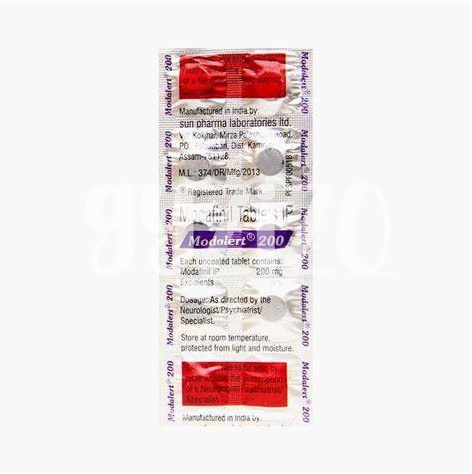
Many popular botanicals and stimulants can amplify modalert’s adverse effects. Caffeine, yohimbine and synephrine often add cardiovascular strain and anxiety.
Herbal enzyme modifiers like St. John’s wort or grapefruit can change blood levels, either lowering benefit or raising toxicity by affecting liver enzymes.
Serotonergic supplements (5‑HTP, high‑dose tryptophan) or MAO inhibitors may theoretically increase agitation or rare serotonin-related complications when combined with wakefulness agents.
Avoid stacking without guidance, start low, monitor heart rate and mood, and consult a clinician before combining supplements with modalert to reduce risk. Seek professional advice.
Safe Combinations Backed by Human Clinical Evidence
Clinical trials identify a few low-risk adjuncts that reliably augment wakefulness without serious interactions when used sensibly. Human evidence remains limited, but tested pairings can offer modest benefit and clearer safety profiles for users everyday.
Well-powered human trials show caffeine combined with L-theanine improves attention, speed, and subjective calm compared with caffeine alone. Typical doses used in studies—around 50–100 mg L-theanine with 40–100 mg caffeine—were well tolerated in clinical settings.
Modalert has been studied alone and alongside moderate caffeine use; human data suggest additive alerting effects but potential increases in heart rate and blood pressure. Clinicians advise monitoring vital signs and avoiding high combined doses.
Practical takeaways from trials: start with low adjunct doses, space caffeine and prescription stimulants, avoid mixing with sympathomimetics or MAOIs, and discuss kidney, liver, or cardiac history with your provider before combining modalert with agents.
Mechanisms: How Supplements Influence Stimulant Pharmacology
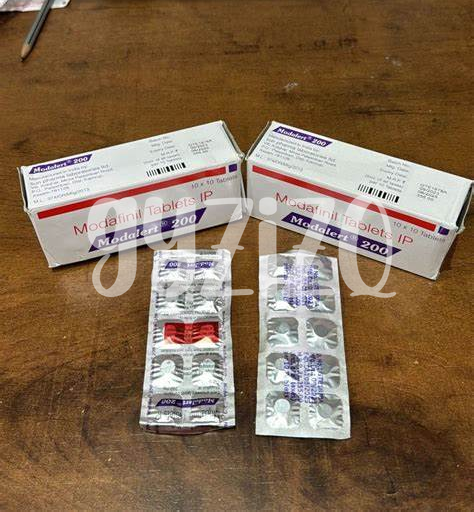
I remember a morning when modalert sharpened focus, then a cup of green tea changed the rhythm. Supplements alter absorption, metabolic enzymes, and transporter activity, reshaping onset, intensity, and duration of stimulant effects clinically relevant.
Many supplements inhibit cytochrome P450 isoforms or induce conjugation pathways, raising or lowering stimulant plasma levels. For example, grapefruit, St. John’s wort, and quercetin can respectively inhibit, induce, or otherwise modify hepatic clearance over time.
Supplements also influence transporters and receptors: caffeine accelerates adenosine blockade synergistically, while L-tyrosine affects catecholamine synthesis. Acidic or alkaline mixtures change gastric pH, altering stimulant absorption speed and bioavailability, often causing meaningful changes in effect.
These mechanistic changes translate into varied clinical responses: enhanced alertness, jitteriness, or reduced efficacy. Genetic polymorphisms, comorbidities, and polypharmacy mean patients must personalize dosing and monitor symptoms, preferably under clinician guidance with regular lab checks.
Practical Dosing Tips to Minimize Harmful Interactions
Start with humility and a plan: treat modalert like any prescription with momentum. Space new supplements several days apart to reveal reactions, and introduce one change at a time. Favor lower starting doses and keep a log of timing, signs, and sleep. For stimulants or CYP-inhibiting herbs, reduce the added supplement dose by half initially and reassess after 48–72 hours. If blood pressure or heart rate rises, pause and reassess with professional input.
Prefer morning doses to monitor wakefulness and avoid evening stimulants. Avoid stacking multiple CYP3A4 modulators; when necessary, stagger doses by 12–24 hours. Use established clinical ranges and consult lab monitoring if combining with cardiac or psychiatric medications. Simple checklist for safety:
| Tip | Why |
|---|---|
| Start low | Detect dose sensitivity |
| Stagger doses | Reduce additive effects |
| Check BP | Monitor cardiovascular risk |
| Document timings | Correlate symptoms |
| When unsure | Consult clinician promptly |
When to Seek Medical Advice and Risk Assessment
Imagine noticing an unusual racing heart or confusion after combining a wakefulness agent with a herbal stack; these are red flags that warrant prompt evaluation. People with heart disease, high blood pressure, liver or kidney problems, pregnancy, or taking antidepressants or blood thinners should consult a clinician before continuing.
Seek urgent care for chest pain, fainting, severe agitation, hallucinations, high fever, or signs of serotonin syndrome (shivering, rapid heartbeat, tremor, diarrhea). Even persistent insomnia, new anxiety, or worsening mood deserve earlier review rather than waiting.
When you do get assessed, bring a complete list of prescribed drugs, over‑the‑counter supplements, doses and timing; request medication interaction checks and targeted labs if indicated. A clinician can tailor risk mitigation, adjust dosing, or recommend safer alternatives. Follow-up monitoring and clear instructions reduce harm, sustain benefits, and enable timely medication adjustments when clinically indicated.
