Making Life Easier


 Oseltamivir for Children: Dosage, Safety, Practical Tips
When to Give Antiviral: Timing and Benefits
Watching a fevered child can feel urgent and personal; giving antivirals early often changes the story. Start treatment as soon as possible—ideally within 48 hours of symptoms—to reduce fever duration and lower the chance of complications, especially for children with asthma, chronic heart disease, or immune problems. Think of the antiviral as prescribed Rx support, not a cure-all: it helps shorten illness and eases recovery when used promptly and correctly.
If a child is high-risk or symptoms escalate, start without delay; if you can't see a clinician immediately, a quick call to the clinic or pharmacy can secure an Rx.
| Timing | Benefit |
|---|---|
| Within 48 hours | Shorter illness |
| After 48 hours | May reduce complications in high-risk kids |
Accurate Dosage Calculations Based on Weight
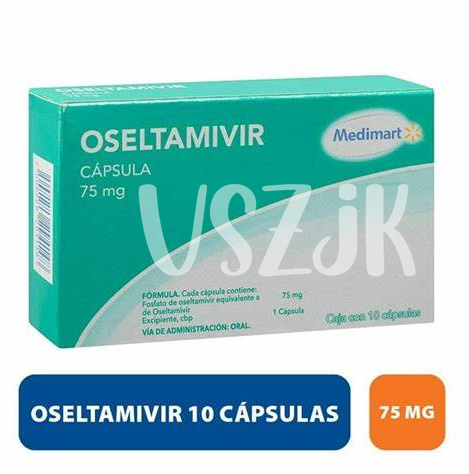
A worried parent watches the clock; oseltamivir must be dosed by weight, not guesswork and timing matters too.
Start by weighing the child in kilograms, then multiply by the prescribed mg/kg rate or follow the Rx - Prescription chart provided. Use the concentration on the label to convert mg to milliliters; avoid kitchen spoons and confirm concentration with the pharmacist.
When pharmacies supply a liquid, ask the Pharm Tech - Pharmacy Technician for a calibrated syringe and clear Sig - Directions on a prescription. Round doses to practical amounts but stay within safe limits.
Keep records of weight changes and doses, store the bottle as directed, and double-check with your clinician before adjusting a dose.
Safe Use: Side Effects and Warning Signs
When starting oseltamivir, parents ask what side effects to expect. Mild nausea, vomiting or headaches are common and brief. Watch for confusion, severe behavior change, breathing trouble, or high fever—these are red flags. Keep dosing notes, bring the Rx - Prescription, and avoid OTC - Over The Counter mixes.
If symptoms worsen or new neurological signs appear, contact the clinic immediately. Severe allergy or altered behavior needs immediate care. Don’t stop therapy without advice. An attentive caregiver recognizing warning signs helps children recover and supports clearer discussion with clinicians today.
Administration Tips: Making Medicine Palatable for Kids
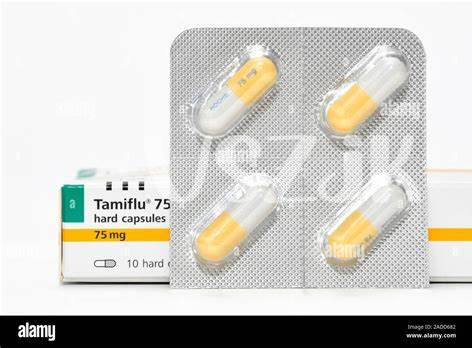
When my toddler complained of fever and the pediatrician handed over the Rx, I worried about getting the bitter medicine down. A small, calm ritual helped: a chilled spoon, one soothing breath, and explaining that the "elixir" would make them feel better.
Practical tips: use the supplied dosing syringe for accurate millilitres, give oseltamivir with a light snack or within 30 minutes of eating to reduce nausea, and avoid forcing a child who gags; try small sips of apple or diluted orange juice afterward to clear taste.
If the pharmacy prepared a suspension, refrigerate per label and shake well; follow the Rx sig exactly and discard unused portions after the expiry. Reward with praise, not sweets, and call your clinician stat if severe vomiting prevents dosing. Keep dosing records and bring questions to the pharmacist during the fill or pediatrician.
When to Seek Medical Help after Dosing
After giving a dose of oseltamivir, watch your child closely for changes. Mild nausea or fussiness is common, but escalating fever, trouble breathing, or poor fluid intake are red flags. Keep the Rx and dosing schedule handy.
If you notice rapid breathing, bluish lips, true rash, persistent vomiting, or seizures, seek care Stat. Contact your pediatrician or visit urgent care; for severe collapse or unresponsiveness call emergency services immediately.
Talk to your Pharm Tech or prescriber if unsure; keep fluids and comfort measures ready.
| Sign | Action |
|---|---|
| Labored breathing | Call emergency services Stat; start CPR if unresponsive |
| Persistent vomiting | Contact clinician for IV fluids, reassessment |
| Seizures | Go to ER immediately; bring Rx bottle, dosing record now |
Avoiding Drug Interactions and Age Limitations
As a parent I learned to treat every medication like a story worth checking: tell your clinician about every Rx, OTC, vitamin and herb before starting therapy, because interactions can blunt effectiveness or raise side‑effect risk. Avoid mixing unverified supplements; bring a med list to the pharmacy so the Pharm Tech and pharmacist can run a drug-interaction check and reconcile dosages. Ask about brand differences and formulation variations; small changes in concentration alter children’s dosing. For safety.
Age matters: some formulations and prophylaxis recommendations differ for neonates, infants and older kids, and dosing bands shift with weight and maturity. If a child vomits soon after a dose, call the prescriber; do not repeat without guidance. Keep communication open: document reactions, save the hard copy of instructions, and seek prompt advice if unexpected symptoms appear so therapy stays safe and effective.
