Making Life Easier


 Otc Vs. Prescription Pepcid: Which Is Right for You?
Understanding Pepcid: What It Does and How It Works
Pepcid, a widely used medication, serves as a powerful ally in managing stomach and esophagus issues. By effectively reducing the production of stomach acid, it helps alleviate conditions such as heartburn, acid indigestion, and gastroesophageal reflux disease (GERD). At the heart of its mechanism lies famotidine, an H2 blocker that subtly tones down the acid production in your stomach, offering relief and healing for inflamed tissues. Understanding this process uncovers the elegance of Pepcid’s design, as it paves the way for improved digestive comfort.
| Aspect | Features of Pepcid |
|---|---|
| Type of Medication | H2 Blocker |
| Main Ingredient | Famotidine |
| Primary Function | Reduces stomach acid production |
By selectively targeting histamine receptors in the stomach lining, Pepcid ensures that acid levels remain manageable, which can prevent painful symptoms and promote healing. Whether it’s through an over-the-counter option or a prescribed dosage, understanding Pepcid’s inner workings empowers you to make informed decisions about your health management strategy.
Over-the-counter Pepcid: Pros and Cons
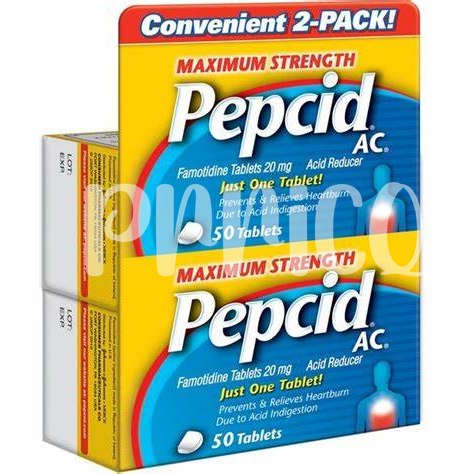
For those seeking relief from heartburn or acid indigestion, over-the-counter Pepcid offers a convenient solution. Its main advantage lies in accessibility; you can purchase it without a prescription, making it ideal for individuals with occasional symptoms. The fast-acting formula provides quick relief by reducing stomach acid production, ensuring you can enjoy your meals without discomfort. However, accessibility also brings concerns. Without professional guidance, there is the risk of misuse or over-reliance, which might mask an underlying issue needing medical attention. Additionally, the effectiveness of over-the-counter Pepcid might be less comprehensive compared to prescription options, which are tailored for more severe conditions. Balancing ease and caution is key.
Prescription Pepcid: Benefits and Drawbacks
For those who require a targeted approach to managing gastrointestinal issues, prescription Pepcid offers unique benefits. It's often recommended for individuals with more severe symptoms or chronic conditions, such as gastroesophageal reflux disease (GERD) that require higher doses than what's available over-the-counter. The precision in dosage can aid in effectively reducing acid levels and alleviating discomfort. Furthermore, under the supervision of a healthcare provider, a tailored plan can be developed that fits a patient’s specific health needs, potentially leading to more efficient treatment outcomes.
However, the prescription variant isn't without its challenges. Accessibility can be an issue, as obtaining it necessitates a medical consultation, potentially delaying relief. Additionally, costs can exceed those of OTC options, particularly if not covered by insurance. Also, increased potency may lead to heightened potential for side effects, which warrants careful monitoring.
Common Conditions Treated by Each Option

When considering Pepcid, it's essential to understand how the over-the-counter (OTC) version and the prescription form are used to address different health concerns. OTC Pepcid is frequently chosen for alleviating common symptoms like heartburn and indigestion. These conditions, often related to dietary choices or lifestyle habits, can generally be managed with the accessible and straightforward use of OTC Pepcid. It's particularly effective for those occasional flare-ups that don't persist over long periods.
On the other hand, prescription Pepcid offers a more robust treatment plan for chronic conditions such as gastroesophageal reflux disease (GERD) and Zollinger-Ellison syndrome. These conditions typically require more intensive management strategies under medical supervision. In such cases, prescription Pepcid can provide prolonged relief by reducing stomach acid production over extended durations, thus mitigating frequent or severe symptoms.
Furthermore, prescription Pepcid is often part of therapeutic regimens for preventing and healing peptic ulcers that might arise due to specific infections or prolonged medication use. This targeted approach is beneficial for patients who need a more systematic and closely monitored treatment plan. The decision between OTC and prescription options largely depends on the frequency and severity of symptoms, as well as underlying health conditions, making it crucial for individuals to consult healthcare professionals to determine the most suitable course of action.
Whether for sporadic discomfort or ongoing management of a chronic condition, Pepcid offers solutions tailored to different needs. By weighing the particular benefits and limitations of either option, individuals can make informed choices about their digestive health, ensuring both efficacy and safety in their treatment approach.
Comparing Costs: the Financial Perspective
When considering Pepcid, understanding the financial implications is crucial. Over-the-counter (OTC) Pepcid offers convenience and immediate access at local pharmacies, often with a lower upfront cost. However, the price per unit can add up in long-term usage and may not be covered by insurance.
Prescription Pepcid, on the other hand, typically has a higher sticker price: yet, it might be more cost-effective for those with insurance coverage, as part of the expense could be mitigated depending on your plan.
| Pepcid Option | Cost Implications |
|---|---|
| Over-the-Counter | Lower upfront cost, possible higher long-term expense, not insured |
| Prescription | Higher initial cost, potential insurance coverage, cost-effective long-term |
Ultimately, assessing the overall financial impact requires a balance between immediate expenses and potential savings from insurance contributions. Consider your treatment duration and budgetary constraints when making an informed decision on which Pepcid option suits you best.
How to Decide: Factors to Consider
Deciding between over-the-counter (OTC) and prescription Pepcid can seem overwhelming, yet understanding specific factors can ease this choice. Consider the severity and frequency of your symptoms first. OTC Pepcid might suffice for occasional heartburn, while chronic conditions like GERD might necessitate prescription-strength doses for effective management. Consulting a healthcare provider is essential—they can provide personalized advice based on your medical history and current health status.
Personal circumstances, such as lifestyle and convenience, also play a role. Prescription options might require regular doctor visits, while OTC Pepcid offers ease of purchase and use. Moreover, it's crucial to weigh potential side effects and interactions with other medications. By carefully evaluating these factors, you can select the most appropriate option to ensure optimal health outcomes.
