Making Life Easier


 Pregabalin Vs Gabapentin: Choosing the Right Option — Key Differences and Prescribing Scenarios
How Pregabalin and Gabapentin Differ Mechanistically
A clinician walks into a consult room considering two siblings of the same drug family. Pregabalin binds with higher affinity to the alpha‑2‑delta subunit of voltage‑gated calcium channels than gabapentin, producing stronger modulation of calcium influx and neurotransmitter release.
Despite similar targets, their molecular pharmacology diverges: pregabalin is a more predictable ligand with linear pharmacodynamics, while gabapentin shows nonlinear binding and variable effects across doses.
These mechanistic differences translate to clinical behavior. Pregabalin’s rapid brain penetration and consistent receptor engagement often yields quicker onset and steadier symptom suppression; gabapentin may require titration to achieve comparable receptor occupancy.
Understanding these nuances helps tailor therapy: choose pregabalin when predictability and rapid relief matter, and consider gabapentin where cost, tolerability or stepwise dosing are priorities. Monitor renal function and adjust doses because elimination differences influence exposure and safety in vulnerable patients, older adults.
| Feature | Pregabalin | Gabapentin |
|---|---|---|
| Alpha-2-delta affinity | Higher | Lower |
| Brain penetration | Faster | Slower |
| Pharmacodynamics | More predictable | Nonlinear/variable |
Absorption and Dosing: Pharmacokinetics That Matter

Imagine two cousins at the pharmacy counter: pregabalin arrives with predictable, dose-proportional absorption and high bioavailability, while gabapentin relies on a saturable intestinal transporter so its bioavailability falls as doses rise. Both are renally excreted, so kidney function determines clearance and mandates dose adjustment; however, pregabalin’s linear pharmacokinetics allow simpler, more reliable titration and fewer surprises when increasing dose.
In practice, clinicians start gabapentin at low, frequently spaced doses—typically three times daily—because its absorption saturates and its half-life is short; total daily doses often range from 900 to 3,600 mg. Pregabalin, with twice-daily dosing common and total daily doses usually 150–600 mg, permits quicker escalation to an effective dose. Both require renal adjustment and cautious titration in elderly patients; understanding these pharmacokinetic contrasts guides safer prescribing and helps predict when symptom relief will emerge, with vigilance for cognitive side effects.
Clinical Indications: Neuropathic Pain to Epilepsy
A patient’s story often clarifies clinical choice: someone with burning diabetic neuropathy, aching postherpetic pain, or focal seizures may follow different paths. Both drugs modulate neuronal excitability, but regulatory approvals and trial results guide use — gabapentin historically gained traction for neuropathic pain and as adjunctive therapy in focal epilepsy, while pregabalin’s label extends to fibromyalgia and generalized anxiety in some regions, reflecting broader evidence for certain pain syndromes.
Clinicians select based on diagnosis, prior response, comorbidities and regulatory guidance: pregabalin is often favored for rapid titration in severe neuropathic pain and for patients with anxiety, whereas gabapentin may be titrated more conservatively or chosen for cost reasons. Both are useful as adjuncts in focal epilepsy. Shared considerations include renal dosing, sedation risk, and evidence strength for each indication, and monitoring plans — tailoring therapy to the individual remains essential.
Efficacy and Onset: Which Relieves Symptoms Faster
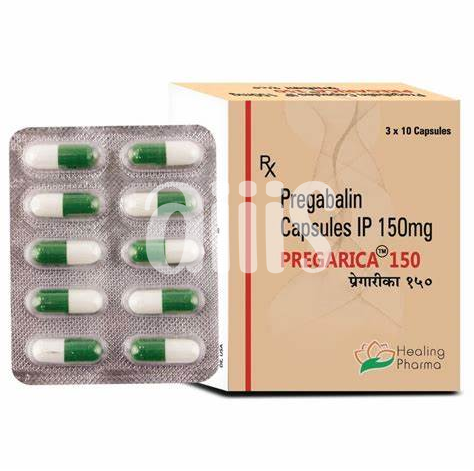
Clinicians often watch how fast patients feel relief; some report meaningful change within hours while others need days. Shared expectations and clear follow-up guide adjustments.
Pregabalin reaches steady symptomatic effect faster than gabapentin in many trials because of predictable absorption and linear kinetics. Dose titration speed influences outcomes.
Rapid onset matters for acute neuropathic flares or postherpetic neuralgia where early pain reduction improves function and mood. Trial size and endpoints shape evidence strength.
However, long-term efficacy converges for many conditions, so choice balances speed, tolerability, and patient circumstances. Discuss risks.
Side Effects, Tolerability, and Abuse Potential
Patients often describe taking pregabalin as a trade-off: fast symptom relief but common dizziness, somnolence, peripheral edema, and weight gain. Cognitive blunting and coordination issues may impair daily tasks, prompting slow titration; elderly patients need lower starting doses to reduce falls and confusion.
Misuse reports exist, with higher abuse signals for pregabalin in some settings; dependence and withdrawal can occur after prolonged use. Clinicians should screen for substance use history, set realistic expectations, taper gradually, and favor formulations or alternatives when risk is elevated to balance benefit and safety appropriately.
| Aspect | Notes |
|---|---|
| Common adverse events | Dizziness, somnolence, edema |
| Risk | Potential misuse; monitor closely |
Choosing between Them: Practical Prescribing Scenarios
In clinic, picture a patient with sharp diabetic neuropathy waking at night; pregabalin often wins for rapid symptom control and predictable dosing, especially when sleep and anxiety co-occur. Gabapentin remains attractive for gradual titration, cost-savings, or renal-impaired older adults needing flexible schedules and insurance coverage.
Decisions hinge on speed, cost, renal function, and misuse risk: choose pregabalin for faster onset and fixed schedules, gabapentin for cost-conscious, slowly titrated plans. Monitor renal dosing, counsel about drowsiness and driving, and reassess efficacy within weeks to switch or combine therapies safely with patients.
